7 steps to build a raid-resistant sky base in Rust
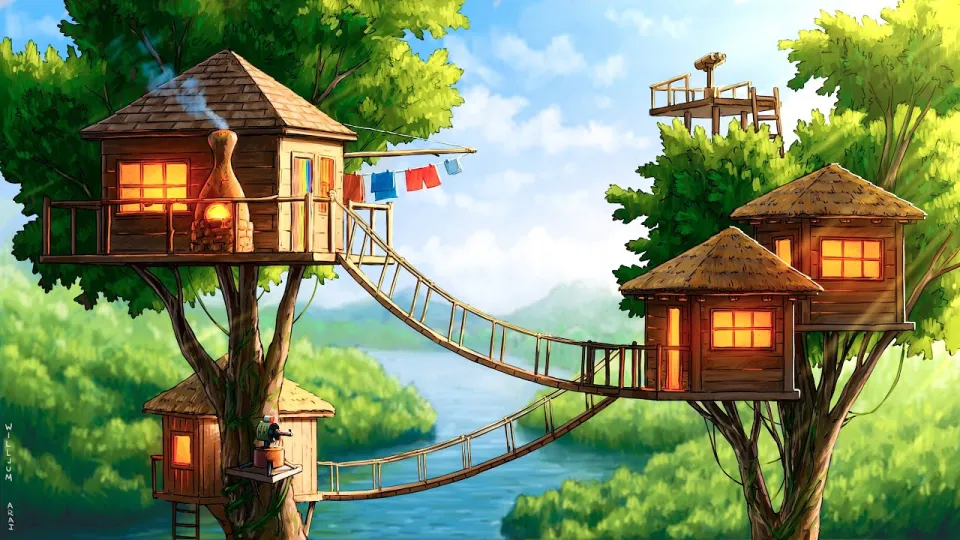
Video: I Built an anti raid sky settlement in Rust...
You can order the same kind of articles for your own video to boost it on YouTube and Google. Just message the Telegram bot @sat_sit_bot. The bot writes and publishes the articles itself (with your YouTube video embedded) on popular topical websites (no ads). Try it free: 50 articles on us.
· based on the channel Willjum
Key takeaways
- Sky bases use height and vertical separation to slow raiders and protect loot.
- A multi-layer honeycomb with armored core raises raid cost significantly.
- Spread loot across several rooms so a single breach doesn't end the wipe.
- Use shotgun traps and turrets to cover blind spots and chokepoints.
- Willjum's anti-raid sky settlement concept focuses on survivability over looks.
Building a raid-resistant sky base in Rust means combining height, layered defenses, and smart loot distribution so that raiders spend more resources than they can gain. The core idea is to make every vertical layer a separate obstacle, forcing attackers to waste explosives on empty honeycomb before reaching your stash. Willjum's anti-raid sky settlement showcases this approach, and you can support more builds like it via Willjum's Patreon.
Why elevation changes the raid math
A sky base works because raiders must commit to a vertical path while exposed to turrets and traps. Building high above the ground removes easy access from natural slopes and forces attackers to use ladders or rockets from predictable angles. Each additional floor acts as a buffer: even if the outer shell falls, the inner core stays protected. The key is to avoid a single straight shaft that leads directly to your tool cupboard and loot rooms.
Step 1: Pick a location with limited approach angles
Choose a spot where the terrain itself narrows the attacker's options. A cliff face or a rocky outcrop reduces the number of sides raiders can approach from, letting you concentrate defenses. Avoid open fields where a raid tower can be built quickly at any angle. Ideally, the base should sit near a monument for loot runs but far enough to avoid heavy foot traffic. Scout the area for nearby player bases—neighbors can become allies or additional targets that distract raiders.
Step 2: Design a multi-layer honeycomb
Honeycomb is the backbone of any raid-resistant design. For a sky base, use at least two layers of triangle foundations and wall frames around the core. Each layer should be a different material tier, starting with stone on the outside and metal or armored inside. This forces raiders to spend explosives on multiple walls before reaching anything valuable. Remember that honeycomb should be empty—no doors, no loot—so every rocket spent there is a pure loss for the attacker.
Step 3: Separate the tool cupboard from the loot
The tool cupboard (TC) is the most common raid target because it controls building privileges. Place the TC in a small, heavily armored room that is not on the direct path to your main loot. Consider using a separate "decoy" TC in an outer layer that raiders might waste time on. The real TC should be surrounded by at least one armored wall and protected by a trap. Also, keep the TC stocked with resources so you can repair during a raid.
Step 4: Spread loot across multiple rooms
Never store all your valuables in one room. Distribute loot across several small rooms on different floors, and use locked boxes to slow down intruders. Even if raiders breach one room, they won't get everything. Keep the most valuable items in the most protected core, but make sure that core is not obvious from the outside. A common trick is to place a fake loot room with low-value items to waste raider time.
Step 5: Use traps and turrets to cover blind spots
Automated defenses are force multipliers. Shotgun traps placed in narrow corridors and behind doors can catch raiders off guard. Turrets, especially on upper floors, can cover approaches that are otherwise hard to watch. Place turrets so they cover the most likely raid path but are themselves protected from easy destruction. Remember that turrets need power, so plan your electrical system with redundancy. A wind turbine or solar panels on the roof can keep them running.
Step 6: Build vertical chokepoints
Instead of a single staircase from bottom to top, create a winding path with multiple doors and ladders. Each chokepoint should have a door that requires a keycard or code lock, and ideally a trap. Raiders will have to waste time and explosives opening each door. Use window frames to create peek spots for defenders, and consider drop-downs that let you escape to a lower floor if needed. The goal is to make the interior as confusing as possible for anyone who doesn't know the layout.
Step 7: Prepare for counter-raids and upkeep
A sky base is only as good as its upkeep. Make sure you have enough resources to repair damage after a raid attempt. Keep a stash of building materials in a safe location, and always have backup tools and weapons. Additionally, build a small forward operating base (FOB) nearby with basic supplies so you can respawn and counter-attack quickly. Coordinate with neighbors if possible—sometimes a friendly player will help defend or provide backup.
Common questions from viewers
Many players who watch Willjum's videos have never actually played Rust, yet they are curious about how these bases work in practice. One frequent question is whether a sky base is viable for solo players. The answer is yes, but it requires more time to gather resources and build efficiently. Another concern is the cost: sky bases often use more materials than ground bases, so you need to balance defense with affordability. Viewers also ask about the risk of being offline-raided—since sky bases are harder to access, they can deter some raiders, but no base is invincible. Finally, some wonder if such bases attract more attention; indeed, a tall structure can be a beacon, so camouflage and location choice matter.
Useful links
- Willjum's Patreon – support the channel and get behind-the-scenes content.
- Willjum on Twitch – live streams and gameplay.
- Willjum on Twitter – updates and announcements.
- Creative Commons Attribution 4.0 – license for music used in the video.
Final thoughts
Building an anti-raid sky settlement in Rust is about layering defenses and making every vertical step costly for attackers. By following these seven steps, you can create a base that survives longer and protects your loot. Willjum's video showcases how a well-designed sky base can frustrate raiders and give you an edge. If you enjoy this kind of content, consider supporting Willjum on Patreon to help him continue creating detailed Rust builds and stories.
Source: I Built an anti raid sky settlement in Rust... · Markdown version
Questions & answers
Is a sky base in Rust good for solo players?
Yes, but it requires efficient resource gathering and building. Solo players should focus on a compact design with layered honeycomb and spread loot to maximize protection without needing a large team.
How much does it cost to build a raid-resistant sky base?
Costs vary, but expect to use several thousand stone, metal fragments, and high-quality metal for armored core layers. The investment is higher than a simple ground base, but it can save your loot in the long run.
Can a sky base be offline-raided?
Any base can be offline-raided, but a sky base with multiple layers and traps makes it more time-consuming and expensive. Raiders may choose an easier target, but you should still maintain upkeep and consider hiding your base's purpose.
Do sky bases attract more attention from raiders?
A tall, obvious structure can attract attention, so use natural cover and avoid building in high-traffic areas. Camouflaging your base with terrain and keeping a low profile can reduce the risk.